Cybersecurity has one of the longest, most research-heavy B2B sales cycles of any software category. A typical buyer might read a dozen technical articles, compare several vendors in an independent directory, and quietly test a free tool long before ever filling out a contact form, which means traditional lead generation tactics built around quick conversions often underperform badly in this space.
Effective cybersecurity lead generation for vendors means meeting that long, cautious research process with the right content and visibility at each stage, rather than trying to rush a technical buyer toward a demo call before they’re ready. This guide covers the channels that actually produce qualified pipeline, how to structure lead qualification for a security audience, and the mistakes that quietly waste marketing spend in this category.
Table of Contents
- Why Cybersecurity Lead Generation Requires a Different Playbook
- The Cybersecurity Buyer’s Research Journey
- Channels That Actually Produce Qualified Cybersecurity Leads
- Qualifying Cybersecurity Leads the Right Way
- Common Cybersecurity Lead Generation Mistakes
- Measuring What Actually Matters
- Turning Directory Visibility Into Qualified Pipeline
Why Cybersecurity Lead Generation Requires a Different Playbook
Most B2B lead generation advice assumes a buyer who’s ready to move relatively quickly once they find the right product. Cybersecurity buyers behave differently. They’re evaluating a purchase that will be scrutinized during audits, questioned by their own security team, and potentially blamed if something goes wrong, so caution is built into the process by design, not a sign of low intent.
That caution means volume-focused lead generation tactics, generic gated ebooks, aggressive pop-ups, cold outbound at scale, tend to produce a high number of unqualified leads that never convert, while consuming budget that could have gone toward the slower, trust-building content this audience actually responds to.
The vendors that consistently win in this environment tend to accept a longer runway to pipeline in exchange for leads that actually close. That trade-off feels uncomfortable for teams used to reporting fast month-over-month lead growth, but it reflects how this specific buyer actually makes decisions, not a flaw in the strategy.
The Cybersecurity Buyer’s Research Journey
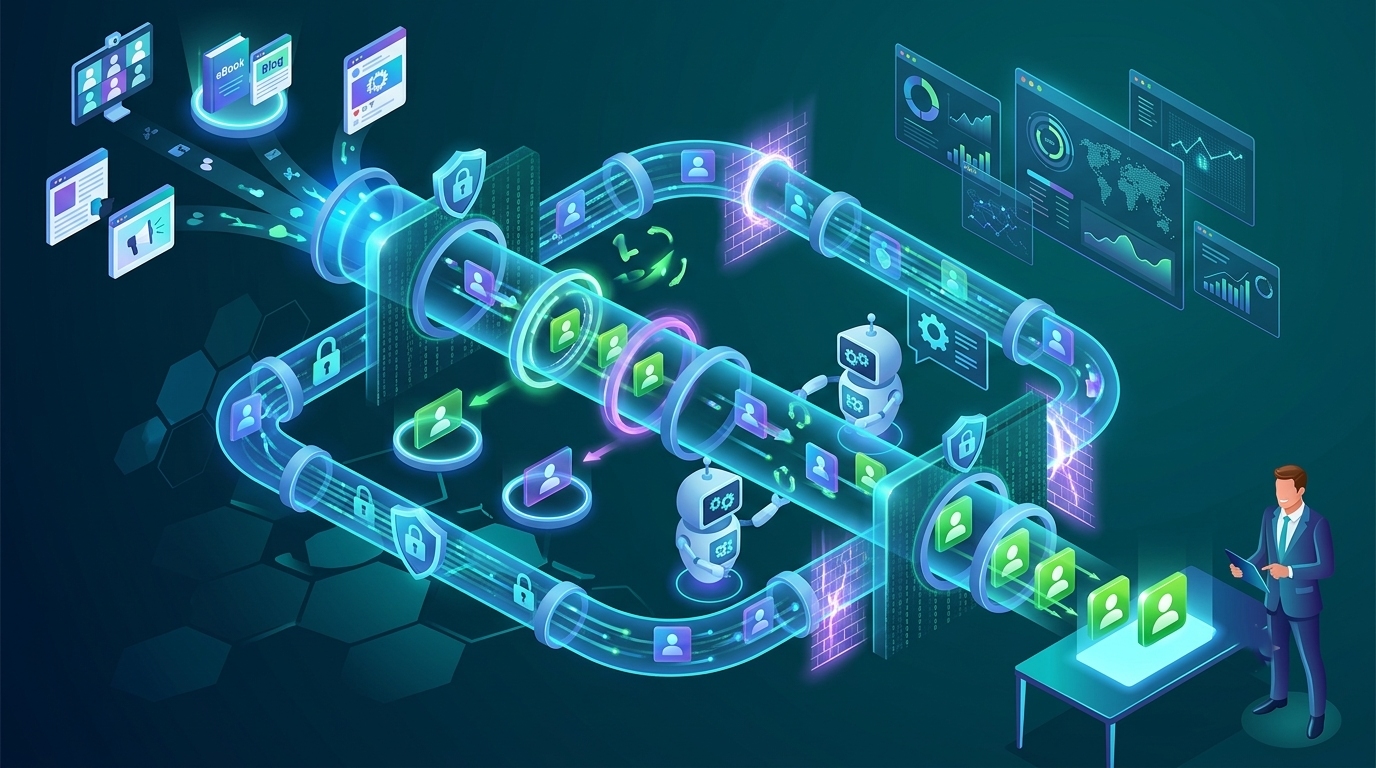
Mapping content to each stage of this journey, rather than treating every visitor as ready for a sales conversation, is what separates lead generation programs that scale from ones that plateau after the first year.
| Stage | What the Buyer Is Doing | What Should Meet Them There |
|---|---|---|
| Awareness | Researching a problem, not yet aware of specific vendors | Educational technical content, glossary and guide pages |
| Consideration | Comparing multiple vendors and categories | Independent directory listings, comparison content |
| Evaluation | Testing shortlisted products directly | Free tools, trials, sandboxed demos with real data |
| Decision | Building an internal business case | Case studies, compliance documentation, references |
Most lead generation programs over-invest in the decision stage, demo requests and sales calls, while under-investing in awareness and consideration, where the majority of a technical buyer’s actual research time is spent, often across several weeks or months before a vendor ever hears from them directly.
Channels That Actually Produce Qualified Cybersecurity Leads
Four channels consistently outperform generic advertising for this audience, largely because each one meets the buyer during active research rather than interrupting them with an unsolicited pitch:
Technical Content and SEO
In-depth guides that answer specific, searched questions consistently outperform generic thought-leadership content, since they meet buyers exactly where their research already is, and they keep working long after a paid campaign ends, compounding in value rather than expiring with the budget cycle.
Independent Vendor Directories
Because cybersecurity buyers trust neutral, comparison-first sources more than vendor websites, a well-maintained directory listing can produce meaningfully more qualified traffic than the same budget spent on generic display advertising.
Free Tools and Calculators
A genuinely useful free tool, a scanner, a checklist generator, a risk calculator, attracts the exact audience a vendor wants while demonstrating real capability instead of just describing it.
Webinars and Technical Talks
Live or recorded technical sessions that teach something useful, independent of whether the attendee ever buys, build the kind of credibility that later shortens an eventual sales cycle.
Qualifying Cybersecurity Leads the Right Way
Generating interest is only half the job. Without a disciplined qualification process, marketing simply hands sales a large pile of unsorted contacts and calls it pipeline.
- Score leads on behavioral signals, repeated visits to technical documentation, free tool usage depth, not just form fills.
- Separate company-fit criteria, size, industry, compliance needs, from intent signals, and weigh both before routing to sales.
- Ask qualifying questions that reflect real buying stages, not generic budget and timeline questions alone.
- Route technical questions to a technical resource early rather than a general sales rep, since credibility is lost quickly if answers feel scripted.
- Track how leads describe their own problem in their words, it often reveals genuine intent better than a lead score alone.
Common Cybersecurity Lead Generation Mistakes
- Gating genuinely useful technical content behind a form, which drives self-directed researchers straight to a competitor’s open resource instead.
- Treating every form fill as equally qualified regardless of behavioral signals or company fit.
- Relying heavily on cold outbound sequences that read as generic and get filtered out by security-conscious recipients.
- Measuring success by lead volume rather than pipeline quality and eventual close rate.
- Neglecting the awareness and consideration stages in favor of bottom-of-funnel demo request campaigns.
Measuring What Actually Matters
Lead volume is the easiest metric to report and often the least useful one in cybersecurity, since a spike in form fills from a broad campaign can quietly mask a drop in genuine buyer intent. A smaller number of well-qualified leads that convert at a healthy rate is a far stronger outcome than a large number that stalls in the pipeline for months without ever reaching a real purchase conversation.
Track pipeline velocity by source, how quickly leads from each channel move through qualification, and eventual close rate, not just cost per lead. A channel that produces expensive but highly qualified leads can easily outperform a cheaper channel that fills the funnel with prospects who were never a realistic fit. Over time, this data also tells you which content and channels are actually shortening your sales cycle, which matters enormously in a category where deals can otherwise take many months to close.
Turning Directory Visibility Into Qualified Pipeline
A significant share of cybersecurity purchase research now happens inside independent directories rather than starting with a generic search engine query, which makes directory visibility one of the higher-leverage, lower-cost lead generation channels available to vendors of any size. CyberSanso’s listing options let vendors appear where security buyers are already actively comparing options, from a free basic profile through enhanced and premium placements, without requiring the large ad budgets that broader channels typically demand. For an early-stage vendor especially, this kind of targeted visibility often produces better-qualified pipeline per dollar than a much larger, less focused advertising campaign.
Key Takeaways
- Cybersecurity buyers research extensively before contact, so lead generation should serve early research stages, not just demo requests.
- Volume-focused tactics tend to produce unqualified leads that waste both marketing and sales team time in this category.
- Technical content, independent directories, and free tools consistently outperform generic advertising for qualified pipeline.
- Lead qualification should weigh behavioral signals and company fit together, not rely on form fills alone.
- Gating genuinely useful technical content often backfires by pushing self-directed researchers toward competitors.
- Directory visibility is a high-leverage, lower-cost channel since buyers already trust independent, comparison-first sources.
Conclusion
Cybersecurity lead generation rewards patience over volume. A long, cautious buyer journey means the vendors who consistently win pipeline are the ones who show up early with genuinely useful content, not the ones who push hardest for a demo call before a buyer is ready to have that conversation.
Build a lead generation program around the buyer’s actual research journey, awareness, consideration, evaluation, decision, and qualify leads on real signals rather than raw volume. That approach produces a smaller number of leads on paper, but a meaningfully higher share of them turn into real, closeable pipeline, which is ultimately the only number that matters to a sales team trying to hit a revenue target rather than a marketing dashboard trying to show growth.
FAQs
Why is cybersecurity lead generation different from typical B2B lead generation?
Cybersecurity buyers research extensively before making contact, often testing free tools and comparing vendors in independent directories, which means volume-focused tactics tend to produce many unqualified leads in this category.
What is the most effective channel for cybersecurity lead generation?
There’s no single best channel, but technical content, independent vendor directories, and free tools consistently outperform generic advertising for this research-heavy, self-directed buyer audience.
Should cybersecurity content be gated behind a lead form?
Generally, gating genuinely useful technical content tends to backfire, since self-directed researchers will often simply find an equivalent ungated resource from a competitor instead.
How should cybersecurity leads be qualified?
Weigh behavioral signals, like technical documentation visits or free tool usage, alongside company-fit criteria such as size, industry, and compliance needs, rather than relying on form fills alone.
Does cold outbound still work for cybersecurity lead generation?
It can work in a targeted, well-researched form, but generic outbound sequences at scale tend to get filtered out by a security-conscious audience that’s naturally wary of unsolicited contact.
How do independent directories help with cybersecurity lead generation?
They provide visibility where a significant share of buyer research already happens, and they carry more credibility than a vendor’s own marketing channels since they’re comparison-first and not vendor-controlled.
What metric matters most for cybersecurity lead generation success?
Pipeline quality and eventual close rate matter far more than raw lead volume, given how much unqualified interest volume-focused tactics tend to generate in this category.
Turn Directory Visibility Into Qualified Pipeline
List your product where cybersecurity buyers are already comparing options. CyberSanso offers listing tiers from a free basic profile to enhanced and premium placement.